Non-profit foundation dedicated to ecological restoration, carbon credits in preparation for international certification, and biodiversity conservation in the Colombian Orinoquía.
Since 2018, Fundación Forestar works in the ecological restoration of degraded ecosystems in Colombia, combining science, technology, and local communities to create lasting environmental impact.
Carbon credits designed to meet the measurement and verification requirements of international standards
Proposals submitted to EUROCLIMA+ (European Union) and the GEF/UNDP Small Grants Programme. Registered in the EU portal (PIC and PADOR)
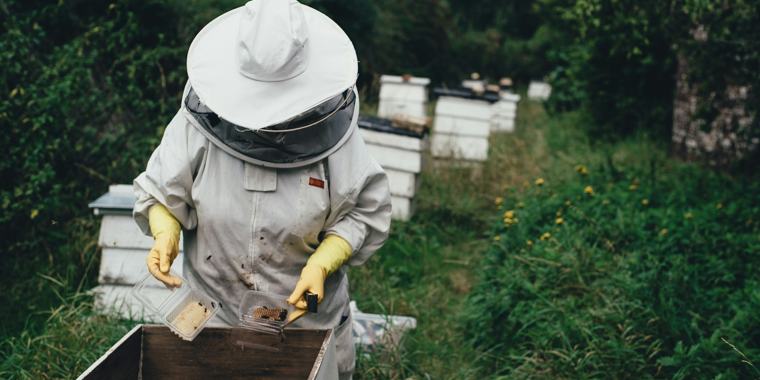
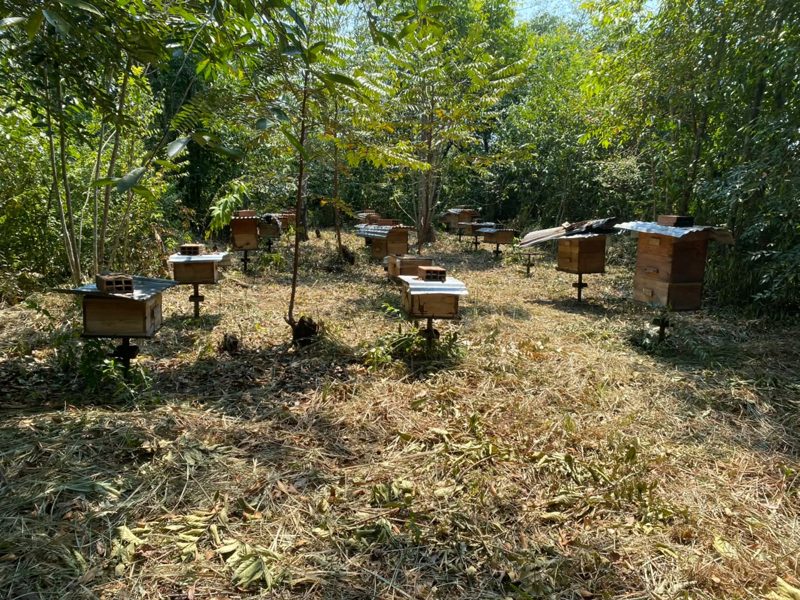
Target of 400 stingless native bee hives (meliponiculture)
IPCC methodology estimate: 31.5 tCO₂/ha
We offer specialized services in ecological restoration, carbon credits, and biodiversity conservation for companies, governments, and international organizations.

Native species planting, erosion control, and degraded ecosystem monitoring.

Structuring and commercialization of carbon credits from projects in preparation for international certification, for companies and institutions with climate goals.

Corporate social responsibility programs with geo-referenced, monitored native tree adoption.

Establishment and management of stingless native bee hives of the Orinoquía.

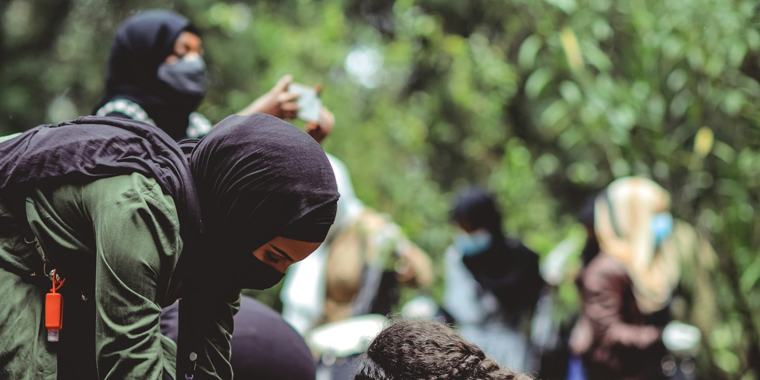
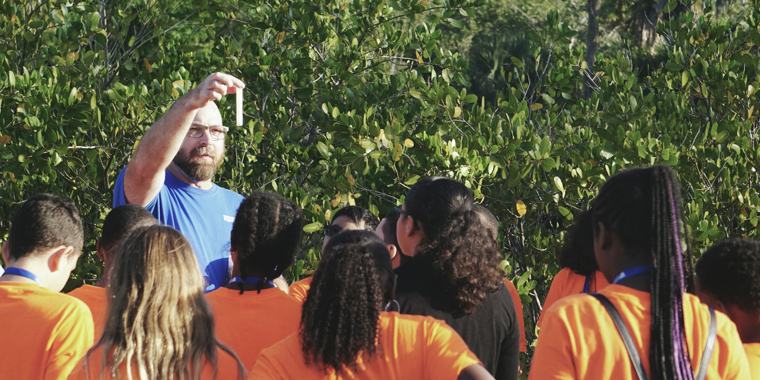
Workshops and training programs on conservation, biodiversity, and climate change.

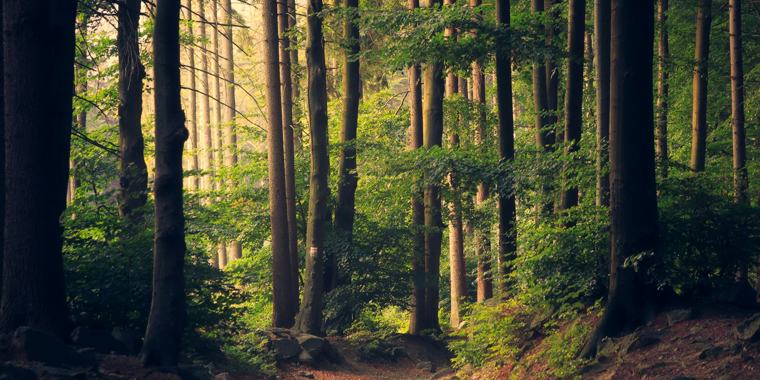
Guided tours through restored ecosystems of the Orinoquía with scientific focus.

Specialized advice on EIA, EMP, environmental permits, and regulatory compliance.

Flora and fauna inventories, biodiversity monitoring, and biomass carbon analysis.
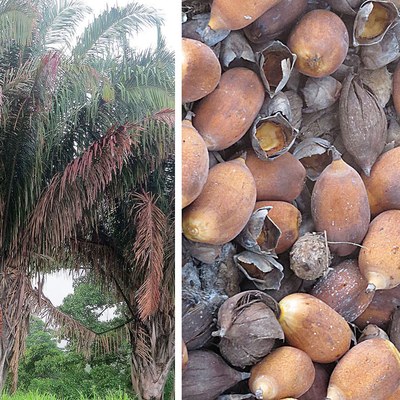
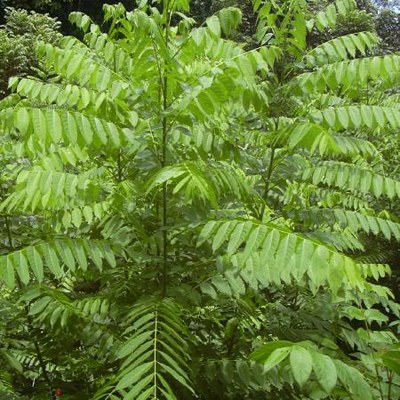
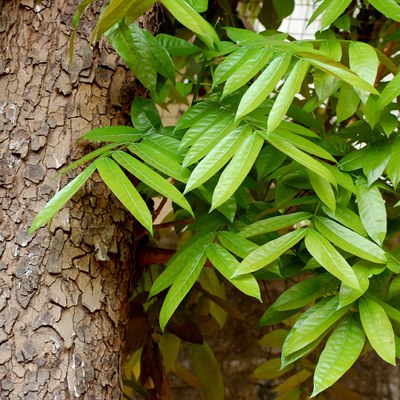
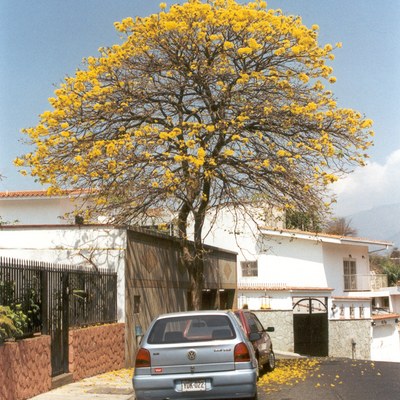
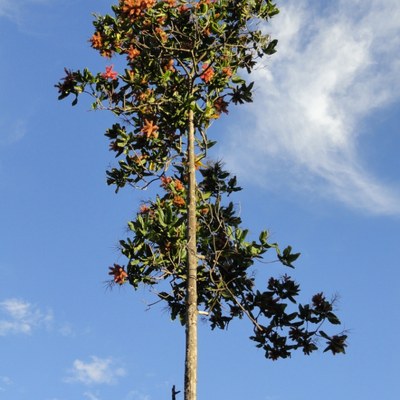
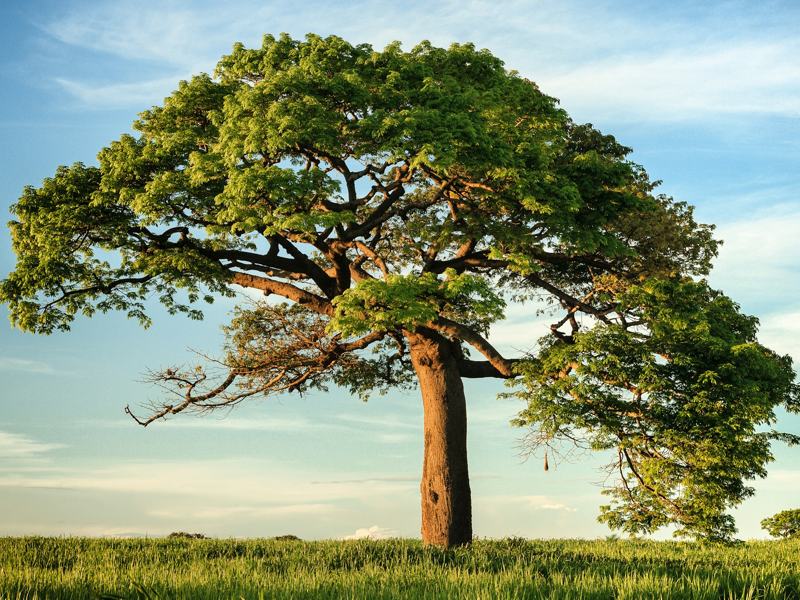
We work with 12 native Orinoco species, selected for their ecological value, carbon sequestration capacity, and resilience in the flooded savannas of Arauca.

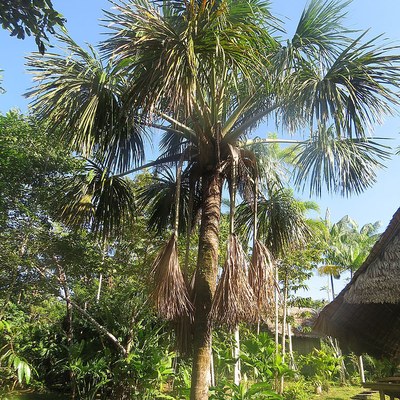
Emblematic palm of the Llanos, backbone of the morichal wetland ecosystem and a symbol of the Orinoquía.

Native palm of savannas and floodplains, an essential food source for wildlife.

Threatened timber species, key to restoration for its high ecological and carbon value.

The most prized timber of the tropical forest. Endangered. High conservation priority.

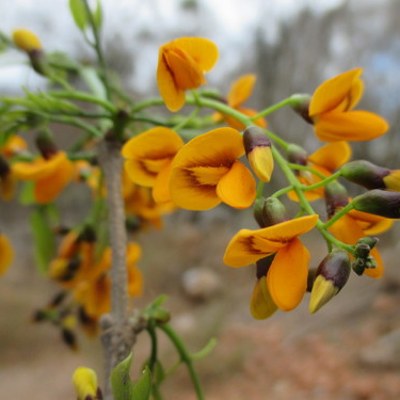
Ornamental tree with spectacular yellow flowers, very hard wood and nectar for pollinators.

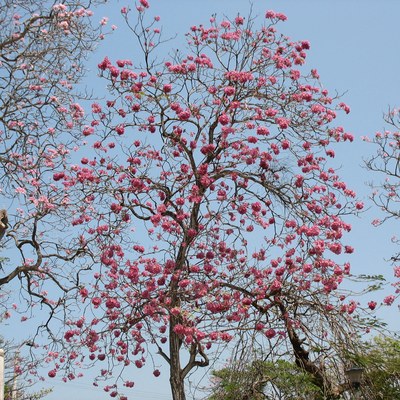
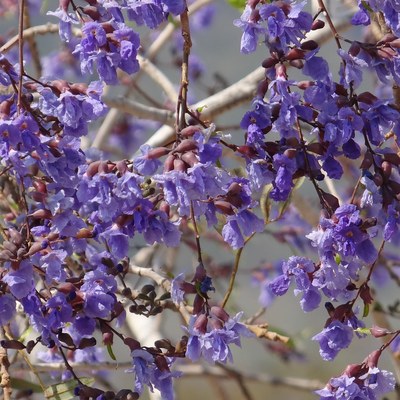
Ornamental tree with pink flowers and prized wood. A riparian and gallery-forest species.

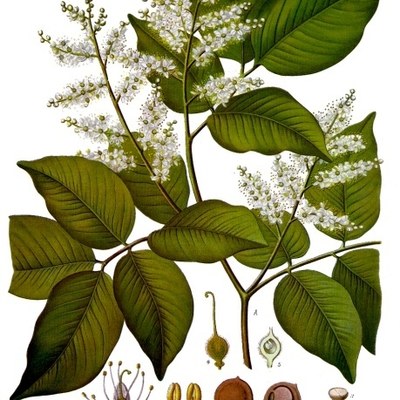
Medicinal tree whose resin is used in beekeeping and traditional Llanos medicine.

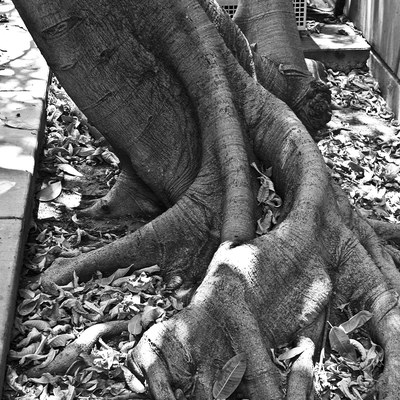
Riparian tree essential for restoring streams and rivers. A key food source for wildlife.

Multipurpose native fruit tree: natural dye, medicine and food for wildlife.

Fine native timber valued in crafts and construction. High wood density.

Tree resistant to fire and to flooded savannas. A pioneer species ideal for restoration.

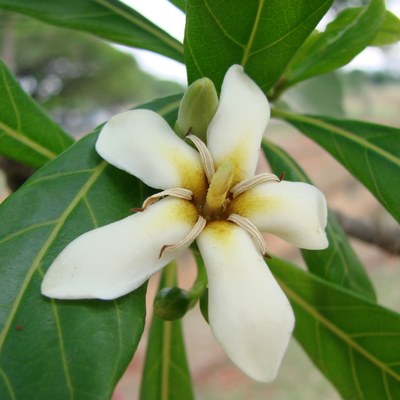
Fast-growing riparian tree with white flowers and high nectar production.
Ecological restoration on 150 hectares held under a land-use agreement in the Colombian Orinoquía. The first phase, covering 80 hectares and 80,000 trees, was submitted to EUROCLIMA+ (European Union), and the project is being prepared for international carbon certification.
From our first planting to our current work at Caño Juriepe: the concrete steps we took to build the foundation and move the project toward certification.
Six months after the organization was founded, we planted the first 2 hectares of restoration — the starting point of Forestar’s field work.
Five months after our first planting, we joined the Environmental Development Roundtable of the Arauca department, our first institutional coordination space.
We took part in the departmental project to strengthen the beekeeping sector. Since then, we have combined reforestation with ecosystem management and improvement through beekeeping.
We joined the departmental agro-industrial science and technology roundtable of Arauca.
We formalized the 150-hectare land-use agreement in Vereda La Esperanza, Cravo Norte, expanding the restoration area of the Caño Juriepe project.
We renewed the tax ID (RUT) and the Arauca Chamber of Commerce Certificate, and completed the PADOR registration with the European Union to qualify the foundation as an eligible partner in European calls for proposals.
We submitted the Caño Juriepe project proposal to the Global Environment Facility Small Grants Programme, in coordination with UNDP Colombia.
The regional environmental authority requested the project executive summary as part of the institutional support process.
We submitted three proposals for food security and water access in seven municipalities of the Arauca department.
Calculate your carbon footprint in under a minute and find out how many tonnes from our project you can support as a climate contribution.
Fill in your company data and click "Calculate" to see your carbon footprint and the recommended credits package.
Project at the design stage, using IPCC measurement methodology, with an estimated potential of 31.5 tCO₂/ha. The intended certification standard is Gold Standard; the project is not yet listed with it, and we will announce it here when it is. Packages are reservations on future credits: they are delivered with their serial number once the standard issues them.
Gold Standard is an international carbon certification standard founded in 2003 by WWF and other environmental organizations. It requires every tonne of CO₂ to be verified by independent third parties and the project to deliver real benefits for local communities and biodiversity.
We use IPCC methodology to measure forest biomass in the field. Before any credit is issued, an independent auditor accredited by the certification standard must verify the calculations. Our current estimate is 31.5 tCO₂/ha.
Once your reservation is confirmed, we immediately send you confirmation with your package details. The official certificate — including serial number, GPS coordinates of the area, and issue date — is issued once the project completes its registration and verification process with the certification standard. We keep you informed of progress at every stage.
Yes. We offer guided visits to the Caño Juriepe project in Cravo Norte, Arauca, accompanied by our technical team. Contact us to coordinate dates and transfer logistics.
We are a foundation from the Llanos working in Cravo Norte since 2018. The project combines 12 native Orinoco species, meliponiculture with stingless native bees, and a team of professionals from the region. We have submitted it to EUROCLIMA+ (European Union) and the GEF/UNDP Small Grants Programme.
Certified credits serve voluntary goals: ESG reporting, beyond value chain mitigation (SBTi BVCM) and neutralization of residual emissions in net-zero strategies. They do not replace reducing your own emissions, and in the European Union they cannot be used to market a product as "carbon neutral" (Directive 2024/825). For mandatory compensation before Colombian authorities, contact us and we will advise you on the applicable mechanisms.
A multidisciplinary team of professionals committed to ecological restoration and environmental sustainability.
Whether you want to make a climate contribution, reserve credits from our project, or collaborate in restoration projects, we're ready to create a proposal tailored to your needs.
NIT 901223416-6
Founded: October 12, 2018
EU PIC: 864005482